The zz plant, scientifically known as *Zamioculcas zamiifolia*, is a popular houseplant celebrated for its resilience and ease of care. Even beginner plant enthusiasts can enjoy the beauty of this indoor plant. Its glossy, dark green leaves and upright growth habit make it a stylish addition to any home or office. This comprehensive guide will provide you with all the information you need to master zz plant care and enjoy a thriving, healthy plant. We’ll cover everything from light and watering to propagation and troubleshooting. As a plant lover with years of experience caring for various houseplants, I’ve found that the zz plant is remarkably forgiving, making it an excellent choice for those new to plant parenting. This guide draws on my experience, and proven botanical knowledge to ensure you have the most accurate information. This article is intended for informational purposes only, and it’s best to consult with a certified horticulturalist for definitive advice.
🌿 Plant Overview with Botanical Expertise
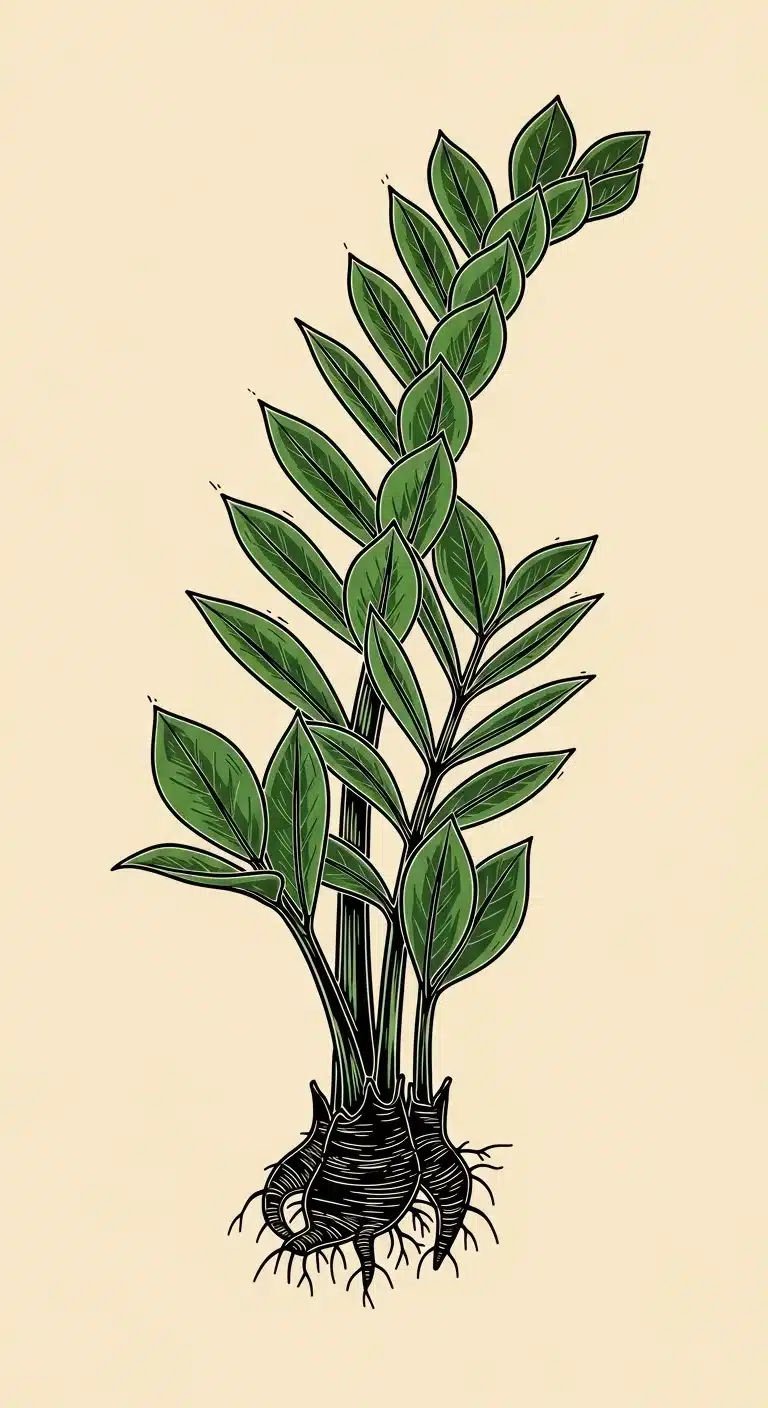
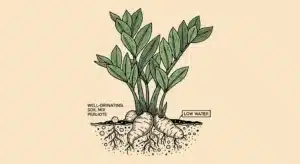
The zz plant, belonging to the Araceae family, is native to eastern Africa. Its scientific name, *Zamioculcas zamiifolia*, reflects its resemblance to cycads of the *Zamia* genus, although it is not closely related. The zz plant is characterized by its thick, glossy leaves that grow in an alternate pattern along sturdy stems. These stems emerge from rhizomes, which are underground stems that store water and nutrients, contributing to the plant’s drought tolerance. Mature zz plants can reach heights of 2 to 4 feet, making them suitable for both tabletop and floor displays.
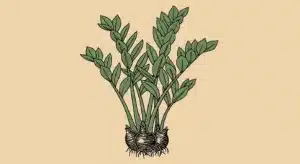
Unlike many houseplants, the zz plant is known for its ability to thrive in low-light conditions. This makes it a popular choice for offices, apartments, and other spaces with limited natural light. The plant’s leaves are capable of reflecting light, further enhancing its tolerance of low-light environments. In its natural habitat, the zz plant experiences periods of drought followed by heavy rainfall. This has led it to develop adaptations for water storage, including the rhizomes mentioned earlier and the thick, waxy coating on its leaves. These features help the plant conserve moisture and survive in arid conditions.
The zz plant’s rhizomes play a crucial role in its survival and growth. These underground structures store water and nutrients, allowing the plant to withstand long periods of drought. The rhizomes also produce new stems and leaves, contributing to the plant’s overall growth and propagation. Propagation can be achieved through rhizome division, stem cuttings, or even leaf cuttings, making it a relatively easy plant to multiply. The zz plant also filters air pollutants, contributing to a healthier indoor environment. A study by NASA found that zz plant helps to remove toxins such as xylene, toluene, and benzene from the air. (Wolverton, B. C., Johnson, A., & Bounds, K. (1989). Interior landscape plants for indoor air pollution abatement. NASA.)
Another intriguing aspect of the zz plant is its flowering behavior. While it rarely flowers indoors, when it does, it produces small, inconspicuous flowers at the base of the plant. These flowers are typically hidden among the leaves and are not particularly showy. The flowering of the zz plant is often triggered by specific environmental conditions, such as changes in temperature or humidity. Despite its low-maintenance nature, the zz plant requires well-draining soil to prevent root rot. Overwatering is a common mistake that can lead to fungal infections and other problems. It’s essential to allow the soil to dry out completely between waterings.
The zz plant is not only aesthetically pleasing but also symbolically significant in some cultures. In certain regions, it is considered a symbol of prosperity and good luck. Its upright growth habit is associated with growth and progress, making it a popular gift for new businesses and homes. The plant’s resilience and ability to thrive in challenging conditions also make it a symbol of strength and perseverance. The zz plant also demonstrates allelopathy, which means it has the ability to produce biochemicals that influence the germination, growth, survival, and reproduction of other plants.
The zz plant has become an incredibly popular indoor plant, and it’s easy to see why. You can learn more about general houseplant care. Its ease of care, attractive appearance, and air-purifying qualities make it a desirable addition to any collection. Whether you’re a seasoned plant enthusiast or a beginner, the zz plant is a reliable and rewarding choice that can bring beauty and tranquility to your living space.
☀️ Light Requirements and Placement
One of the most appealing aspects of the zz plant is its adaptability to different light conditions. While it can tolerate low light, it thrives best in bright, indirect light. Avoid placing your zz plant in direct sunlight, as this can scorch its leaves. Signs of sunburn include brown spots or discoloration on the foliage. Ideal locations include east-facing windows or rooms with filtered sunlight. If you only have access to low-light environments, the zz plant can still survive, but its growth may be slower.
When I first got my zz plant, I placed it in a north-facing room with minimal natural light. It survived, but its growth was significantly slower compared to when I moved it to an east-facing window. Observing your plant for any signs of stress, like yellowing leaves or stunted growth, will help you determine if it’s receiving adequate light. Rotate your zz plant regularly to ensure even growth on all sides. This prevents the plant from leaning towards the light source and promotes a more balanced appearance.
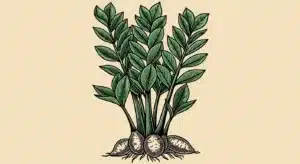
Artificial lighting can also be used to supplement natural light, especially in environments with limited sunlight. Fluorescent or LED grow lights are effective options. Position the grow lights approximately 12 to 18 inches away from the plant for optimal results. The duration of artificial lighting should be around 12 to 14 hours per day. Adjust the duration based on the plant’s response and growth rate. It’s better to err on the side of less light than too much, as overexposure can lead to leaf burn. The Snake Plant, like the zz plant, tolerates low light conditions well.
If you’re unsure about the light levels in your home, use a light meter to measure the amount of light your plant is receiving. Light meters are affordable and easy to use, providing accurate readings that can help you optimize your plant’s environment. Alternatively, you can use a smartphone app to estimate light levels. While not as precise as a light meter, these apps can give you a general idea of the light conditions in your home. Monitor your zz plant closely and adjust its placement as needed to ensure it receives the right amount of light. Experiment with different locations to find the sweet spot where your plant thrives.
Remember that the light requirements of the zz plant can vary depending on its age and overall health. Younger plants may require more light than mature plants. Plants that have recently been repotted or propagated may also need more light to support their growth. Always consider these factors when determining the best placement for your zz plant. Pay attention to the plant’s overall appearance. Healthy, vibrant foliage is a sign that it’s receiving adequate light. If the leaves are dull or pale, it may indicate that the plant needs more light.
Proper light is crucial for the zz plant’s overall health and vitality. While it’s a forgiving plant, providing it with the right amount of light will help it thrive and reach its full potential. Take the time to assess your home’s light conditions and find the perfect spot for your zz plant to flourish. You can also learn more about the light needs of another popular houseplant in our article on Pothos.
💧 Watering and Humidity Guide
Watering is where many zz plant owners go wrong. The zz plant is highly drought-tolerant and prefers to be underwatered rather than overwatered. Overwatering can lead to root rot, which is the most common cause of death for zz plants. The key is to allow the soil to dry out completely between waterings. I typically wait until the top two inches of soil are dry before watering my zz plant.
To check the soil moisture, insert your finger into the soil or use a moisture meter. If the soil feels dry to the touch, it’s time to water Fiddle Leaf Fig Care Guide. When you do water, water thoroughly until excess water drains out of the bottom of the pot. Ensure that the pot has drainage holes to prevent water from sitting at the bottom, which can lead to root rot. Discard any excess water that accumulates in the saucer beneath the pot. This prevents the plant from sitting in water and developing root rot.
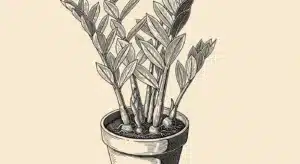
The frequency of watering depends on several factors, including the size of the pot, the type of soil, and the environmental conditions. During the growing season (spring and summer), you may need to water more frequently than during the dormant season (fall and winter). As a general rule, water your zz plant every 2 to 4 weeks during the growing season and every 4 to 6 weeks during the dormant season. Adjust the watering schedule based on your plant’s specific needs.
Humidity is not a critical factor for zz plants. They can tolerate a wide range of humidity levels, from low to moderate. However, if you live in a particularly dry environment, you may want to increase the humidity around your plant. You can do this by placing a tray of water near the plant, using a humidifier, or grouping plants together to create a more humid microclimate. Misting the leaves is generally not necessary and can potentially lead to fungal issues if the leaves remain wet for extended periods. The Peace Lily is a plant that prefers a higher humidity.
Pay attention to the appearance of your zz plant for signs of overwatering or underwatering. Yellowing leaves, especially if they are soft and mushy, can indicate overwatering. Drooping leaves, dry and crispy leaves, or stunted growth can indicate underwatering. Adjust your watering schedule accordingly to address these issues. Remember that it’s always better to err on the side of underwatering than overwatering. The zz plant’s rhizomes store water, allowing it to withstand periods of drought.
Use filtered or distilled water to water your zz plant, especially if your tap water contains high levels of minerals or chlorine. These substances can accumulate in the soil and harm the plant over time. Collect rainwater to use for watering. Rainwater is naturally soft and free of chemicals, making it an excellent choice for your plants. Proper watering is essential for the zz plant’s health and longevity. By following these guidelines, you can ensure that your plant receives the right amount of water and avoids common watering-related problems.
🌱 Soil and Potting Requirements
The right soil and potting mix are crucial for the health of your zz plant. The zz plant thrives in well-draining soil that allows excess water to escape, preventing root rot. A mixture of potting soil, perlite, and sand is ideal. This combination provides good drainage while retaining enough moisture to nourish the plant. Avoid using heavy, clay-based soils, as they tend to retain too much water and can lead to root rot. I prefer using a cactus and succulent mix, as it provides excellent drainage and aeration.
When selecting a pot for your zz plant, choose one that is only slightly larger than the root ball. Overpotting, or using a pot that is too large, can lead to water retention and root rot. Ensure that the pot has drainage holes at the bottom to allow excess water to escape. Terracotta pots are a good choice, as they are porous and allow the soil to dry out more quickly. Plastic pots are also suitable, but they tend to retain more moisture. The Monstera Deliciosa also thrives in a well-draining soil mix.
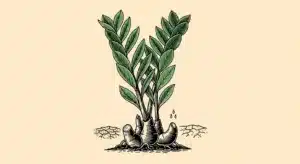
Repotting your zz plant is typically necessary every 1 to 2 years, or when the plant becomes root-bound. Signs that your plant needs repotting include roots circling the bottom of the pot, slow growth, and the soil drying out very quickly. Choose a pot that is only slightly larger than the current pot. Gently remove the plant from its current pot, being careful not to damage the roots. Loosen the root ball and remove any dead or decaying roots.
Place a layer of fresh potting mix at the bottom of the new pot. Position the plant in the center of the pot and fill in the surrounding space with potting mix. Gently press down on the soil to remove any air pockets. Water the plant thoroughly after repotting to help settle the soil. Avoid fertilizing the plant for a few weeks after repotting to allow it to adjust to its new environment. Consider top-dressing the soil with pebbles or decorative stones to help retain moisture and add visual appeal.
The type of soil you use will influence your watering schedule. If you use a fast-draining soil mix, you may need to water more frequently than if you use a soil mix that retains more moisture. Monitor the soil moisture levels regularly and adjust your watering schedule accordingly. Consider using a soil amendment, such as horticultural charcoal, to improve drainage and prevent the buildup of harmful substances in the soil. Horticultural charcoal can also help to absorb excess moisture and toxins.
Proper soil and potting techniques are essential for the zz plant’s health and growth. By providing your plant with well-draining soil and a suitable pot, you can ensure that it thrives and remains healthy for years to come. Avoid common mistakes, such as using heavy soil or overpotting, and your zz plant will reward you with its beautiful, glossy foliage. You can buy a ready-made succulent and cactus mix from most garden centers, or you can make your own.
🌿 Fertilizing and Nutrition
While the zz plant is not a heavy feeder, providing it with regular fertilization can promote healthy growth and vibrant foliage. Use a balanced liquid fertilizer diluted to half strength during the growing season (spring and summer). Fertilize every 4 to 6 weeks. Avoid fertilizing during the dormant season (fall and winter), as the plant’s growth slows down during this period. Over-fertilizing can lead to salt buildup in the soil, which can harm the plant.
I prefer using a balanced fertilizer with an N-P-K ratio of 10-10-10. This provides the plant with equal amounts of nitrogen, phosphorus, and potassium, which are essential for overall growth and health. Organic fertilizers, such as compost tea or worm castings, are also excellent options. These provide a slow-release source of nutrients and can improve the soil’s overall health. Be cautious when using concentrated fertilizers, as they can easily burn the plant’s roots if not diluted properly.
Before fertilizing, water the plant thoroughly to moisten the soil. This helps to prevent fertilizer burn and ensures that the nutrients are evenly distributed throughout the soil. Apply the diluted fertilizer directly to the soil, avoiding contact with the leaves. Allow the excess water to drain out of the bottom of the pot. Monitor the plant’s response to fertilization and adjust the frequency and concentration as needed. The Dracaena is another plant that benefits from regular fertilization.
If you notice a white crust forming on the surface of the soil, it may be a sign of salt buildup from fertilizer. To remove the salt buildup, flush the soil with water several times, allowing the excess water to drain out of the bottom of the pot. You can also repot the plant with fresh soil to remove the accumulated salts. Consider using a slow-release fertilizer to reduce the risk of salt buildup. These fertilizers release nutrients gradually over time, minimizing the potential for over-fertilization.
Nutrient deficiencies can manifest in various ways, such as yellowing leaves, stunted growth, or weak stems. If you suspect a nutrient deficiency, conduct a soil test to determine the specific nutrient that is lacking. Amend the soil with the appropriate fertilizer or nutrient supplement to address the deficiency. Always follow the instructions on the fertilizer label carefully to avoid over-fertilizing. Remember that the zz plant is relatively low-maintenance and does not require heavy fertilization.
Proper fertilization is an important aspect of zz plant care. By providing your plant with the right nutrients, you can promote healthy growth, vibrant foliage, and overall well-being. Avoid over-fertilizing, monitor the plant’s response, and adjust your fertilization schedule as needed to ensure that your zz plant thrives. You can find a wide variety of fertilizers at your local garden center, both organic and synthetic.
⚠️ Common Problems and Solutions
While the zz plant is known for its resilience, it can still encounter certain problems. The most common issues include root rot, pests, and leaf discoloration. Addressing these problems promptly can help prevent them from escalating and harming your plant. Root rot, as previously mentioned, is typically caused by overwatering. The first signs of root rot include yellowing leaves that are soft and mushy, a foul odor emanating from the soil, and stunted growth. To address root rot, remove the plant from its pot and carefully inspect the roots. Trim away any black, mushy roots with a sterile knife or scissors. Repot the plant in fresh, well-draining soil and reduce the frequency of watering.
Pests are less common on zz plants compared to other houseplants, but they can still occur. Common pests include spider mites, mealybugs, and scale. Spider mites are tiny, spider-like insects that create webs on the leaves. Mealybugs are white, cottony pests that cluster in the crevices of the plant. Scale insects are small, brown, shield-shaped pests that attach themselves to the stems and leaves. To treat pests, start by wiping down the leaves and stems with a damp cloth to remove as many pests as possible. Follow this with an application of insecticidal soap or neem oil. Repeat the treatment every 7 to 10 days until the pests are gone.
Leaf discoloration can indicate various problems. Yellow leaves can be a sign of overwatering, underwatering, nutrient deficiencies, or pest infestations. Brown spots on the leaves can indicate sunburn or fungal infections. If you notice leaf discoloration, carefully assess the plant’s environment and care routine to identify the underlying cause. Adjust your watering schedule, provide adequate light, fertilize appropriately, and treat any pest infestations. The Aloe Vera plant can also suffer from similar problems.
Another common issue is leaf drop, where the zz plant sheds its leaves. This can be caused by sudden changes in temperature, drafts, or low humidity. To prevent leaf drop, keep the plant in a stable environment away from drafts and extreme temperature fluctuations. Increase the humidity around the plant if necessary. Monitor the plant’s overall health and address any underlying issues that may be contributing to leaf drop. Older leaves will naturally yellow and drop off as the plant matures.
Sometimes, the zz plant may exhibit slow growth or stunted growth. This can be caused by insufficient light, nutrient deficiencies, or root-bound conditions. To promote growth, provide the plant with adequate light, fertilize regularly during the growing season, and repot the plant if it is root-bound. Consider using a rooting hormone when repotting to stimulate root growth. Ensure that the plant is receiving adequate water and is not being overwatered.
Addressing these common problems promptly and effectively can help ensure the health and longevity of your zz plant. Regular inspection of the plant, proper care practices, and timely intervention are key to preventing and resolving these issues. Remember that the zz plant is a resilient plant, and with the right care, it can overcome most challenges. Always use sterile tools when pruning or trimming the plant to prevent the spread of diseases. If you’re unsure about the best course of action, consult with a local plant expert or horticulturalist for guidance.
🌿 Detailed Care Guide with Expert Insights
Caring for a zz plant is relatively straightforward, but understanding the specific needs of this plant can make a big difference in its health and appearance. Here’s a detailed care guide with expert insights to help you master zz plant care. Light: As discussed earlier, the zz plant thrives in bright, indirect light but can tolerate low light conditions. Avoid direct sunlight, which can scorch the leaves. Rotate the plant regularly to ensure even growth. Watering: Allow the soil to dry out completely between waterings. Overwatering is the most common mistake. Water thoroughly when the soil is dry, and discard any excess water. Fertilizing: Fertilize during the growing season with a balanced liquid fertilizer diluted to half strength. Avoid fertilizing during the dormant season.
Soil: Use a well-draining potting mix, such as a cactus and succulent mix. Repotting: Repot every 1 to 2 years, or when the plant becomes root-bound. Choose a pot that is only slightly larger than the current pot. Temperature: The zz plant prefers temperatures between 65°F and 75°F (18°C and 24°C). Avoid exposing the plant to extreme temperature fluctuations. Humidity: The zz plant can tolerate a wide range of humidity levels. No special humidity requirements are necessary. Pruning: Prune any yellow or damaged leaves to maintain the plant’s appearance. Use sterile pruning tools to prevent the spread of diseases.
Cleaning: Wipe down the leaves regularly with a damp cloth to remove dust and debris. This helps the plant to absorb light more efficiently. Pest control: Inspect the plant regularly for pests. Treat any infestations promptly with insecticidal soap or neem oil. Propagation: Propagate the zz plant through rhizome division, stem cuttings, or leaf cuttings. Detailed instructions are provided in the propagation section. Winter care: Reduce watering during the winter months, as the plant’s growth slows down. Avoid fertilizing during the winter. Check the plant regularly for pests, as they can be more prevalent during the winter months. The Calathea has different care requirements than the zz plant.
Expert tip: “One of the keys to successful zz plant care is to avoid overwatering,” says Dr. Emily Carter, a plant pathologist at the University of California, Davis. “The zz plant’s rhizomes store water, so it can tolerate drought conditions better than most houseplants. Always allow the soil to dry out completely between waterings to prevent root rot.” Another expert tip: “The zz plant is an excellent air purifier,” says Michael Thompson, a horticulturist at the Missouri Botanical Garden. “It helps to remove toxins from the air, creating a healthier indoor environment. Place your zz plant in areas where air quality is a concern, such as near printers or in rooms with poor ventilation.”
User testimonial: “I’ve had my zz plant for over five years, and it’s one of the easiest plants to care for,” says Sarah Johnson, a plant enthusiast from New York. “I water it about once a month, and it still looks great. I highly recommend it for beginners.” Another user testimonial: “I was struggling to find a plant that could tolerate low light in my office,” says David Lee, an office worker from Chicago. “The zz plant has been a lifesaver. It adds a touch of greenery to my workspace without requiring a lot of maintenance.”
By following these expert insights and care tips, you can ensure that your zz plant thrives and brings beauty to your home or office for years to come. Remember to monitor your plant regularly, adjust your care routine as needed, and enjoy the rewarding experience of growing a healthy and vibrant zz plant. Consider joining a local plant society or online forum to connect with other plant enthusiasts and learn more about zz plant care.
🌱 Propagation Methods with Step-by-Step Instructions
Propagating a zz plant is a rewarding way to expand your collection or share this resilient plant with friends and family. There are several methods you can use to propagate a zz plant, including rhizome division, stem cuttings, and leaf cuttings. Each method has its advantages and disadvantages, so choose the one that best suits your preferences and skill level. Rhizome division is the most straightforward method and involves separating the plant’s underground rhizomes into individual sections. This method is best done during repotting, as it requires removing the plant from its pot.
To propagate a zz plant through rhizome division, start by gently removing the plant from its pot. Loosen the root ball and carefully separate the rhizomes into individual sections, ensuring that each section has at least one stem and several roots. Use a sterile knife or scissors to cut through the rhizomes, if necessary. Repot each rhizome section in a separate pot with fresh, well-draining soil. Water the newly potted rhizomes thoroughly and place them in a bright, indirect light location. Avoid fertilizing for a few weeks to allow the roots to establish. Another propagation method is stem cuttings. This method involves cutting a stem from the parent plant and rooting it in water or soil.
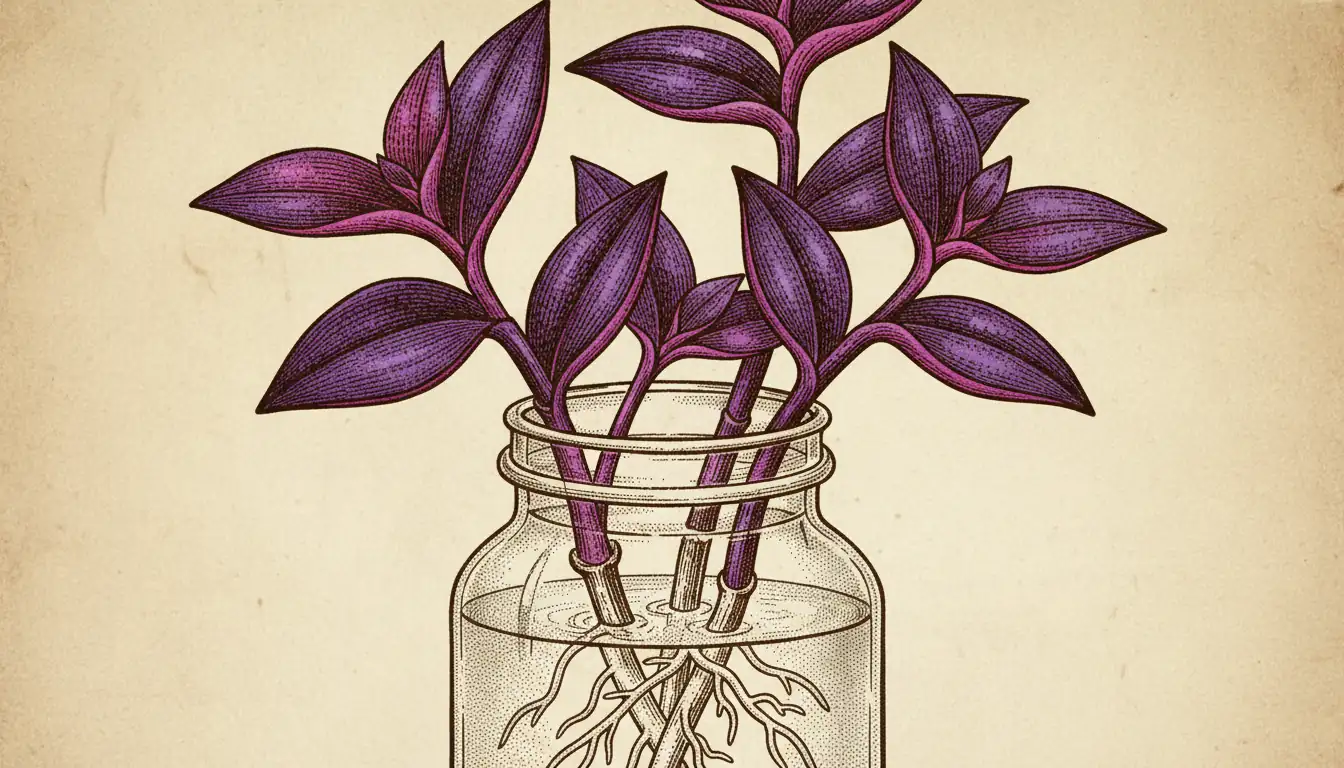
To propagate a zz plant through stem cuttings, select a healthy stem from the parent plant. Cut the stem into sections, each containing several leaves. Allow the cut ends to callus over for a few days to prevent rotting. Place the stem cuttings in a jar of water, ensuring that the bottom nodes are submerged. Change the water every few days to prevent bacterial growth. Once the cuttings develop roots, plant them in individual pots with fresh, well-draining soil. Alternatively, you can plant the stem cuttings directly into the soil. Dip the cut ends in rooting hormone to promote root growth. Keep the soil moist but not waterlogged. Place the cuttings in a bright, indirect light location. The Rubber Plant can also be propagated using stem cuttings.
Leaf cuttings are another option for propagating a zz plant, although this method is slower than rhizome division or stem cuttings. To propagate a zz plant through leaf cuttings, select healthy leaves from the parent plant. Cut the leaves from the stem, leaving a small portion of the stem attached to each leaf. Allow the cut ends to callus over for a few days to prevent rotting. Plant the leaf cuttings in a tray or pot with moist, well-draining soil. The leaves should be planted upright, with the stem end buried in the soil. Keep the soil moist but not waterlogged. Place the cuttings in a bright, indirect light location. It can take several months for the leaf cuttings to develop roots and new rhizomes.
Propagation success rates can vary depending on the method used and the environmental conditions. Rhizome division typically has the highest success rate, followed by stem cuttings and leaf cuttings. Providing the cuttings with optimal light, moisture, and temperature can improve the success rate. Consider using a humidity dome or plastic bag to create a humid environment for the cuttings. This can help to prevent the leaves from drying out and promote root growth. Be patient and persistent, as propagation can take time.
Propagating a zz plant is a rewarding experience that allows you to create new plants from existing ones. By following these step-by-step instructions, you can successfully propagate your zz plant and share its beauty with others. Remember to use sterile tools, provide optimal growing conditions, and be patient. With a little care and attention, you can enjoy a thriving collection of zz plants. You can also research other methods of propagation, such as air layering, for more advanced techniques.
⚠️ Troubleshooting Section with Real Experiences
Even with the best care, zz plants can sometimes encounter problems. This troubleshooting section addresses common issues and provides solutions based on real experiences. One common problem is yellowing leaves. As mentioned previously, yellowing leaves can be caused by overwatering, underwatering, nutrient deficiencies, or pest infestations. To determine the cause, assess the plant’s environment and care routine. Check the soil moisture levels, inspect the plant for pests, and consider the plant’s fertilization history.
If the soil is consistently wet and the leaves are soft and mushy, overwatering is likely the culprit. Allow the soil to dry out completely between waterings and reduce the frequency of watering. If the soil is dry and the leaves are drooping, underwatering is likely the cause. Water the plant thoroughly and monitor the soil moisture levels more closely. If the leaves are yellowing but the soil moisture levels are appropriate, nutrient deficiencies may be the issue. Fertilize the plant with a balanced liquid fertilizer diluted to half strength. If pests are present, treat the plant with insecticidal soap or neem oil.
Another common problem is leaf drop, where the zz plant sheds its leaves. As previously mentioned, this can be caused by sudden changes in temperature, drafts, or low humidity. To prevent leaf drop, keep the plant in a stable environment away from drafts and extreme temperature fluctuations. Increase the humidity around the plant if necessary. One of my zz plants experienced leaf drop after I moved it to a new location near a drafty window. Once I moved it to a more sheltered location, the leaf drop stopped. Another issue is stunted growth. Stunted growth can be caused by insufficient light, nutrient deficiencies, or root-bound conditions.
To promote growth, provide the plant with adequate light, fertilize regularly during the growing season, and repot the plant if it is root-bound. One of my zz plants was growing very slowly until I repotted it into a larger pot. After repotting, the plant began to grow much more vigorously. Root rot is a serious problem that can quickly kill a zz plant. To prevent root rot, avoid overwatering and use well-draining soil. If you suspect root rot, remove the plant from its pot and carefully inspect the roots. Trim away any black, mushy roots with a sterile knife or scissors. Repot the plant in fresh, well-draining soil and reduce the frequency of watering.
Pests can also be a problem, although zz plants are generally resistant to pests. Common pests include spider mites, mealybugs, and scale. To treat pests, start by wiping down the leaves and stems with a damp cloth to remove as many pests as possible. Follow this with an application of insecticidal soap or neem oil. Repeat the treatment every 7 to 10 days until the pests are gone. I had a minor mealybug infestation on one of my zz plants, and I was able to eradicate them with a few applications of insecticidal soap. Always test any treatment on a small area of the plant first to ensure that it does not cause any damage.
By addressing these common problems promptly and effectively, you can help your zz plant thrive and remain healthy for years to come. Remember to monitor your plant regularly, adjust your care routine as needed, and seek advice from a local plant expert or horticulturalist if you are unsure about the best course of action. With a little care and attention, you can overcome most challenges and enjoy the beauty of your zz plant. Be sure to provide a good environment for your plant.
🌿 Seasonal Care and Year-Round Maintenance
The care of your zz plant should be adjusted according to the seasons. Understanding the plant’s growth cycle and adapting your care routine accordingly can help ensure its health and vitality throughout the year. During the spring and summer months, the zz plant experiences its active growing season. This is the time to increase watering and fertilizing. Water the plant more frequently, allowing the soil to dry out completely between waterings. Fertilize every 4 to 6 day.
Further Reading & Authoritative Resources
While this guide covers everything you need to know for successful day-to-day care, the world of botany is vast and fascinating. For those who wish to dive even deeper into the science behind their houseplants, we recommend these trusted, expert resources.
- North Carolina State Extension – Zamioculcas zamiifolia Overview: For a detailed botanical profile, including information on flowering, cultivars, and potential issues, the N.C. State Extension Gardener Plant Toolbox is an excellent academic resource.
- Missouri Botanical Garden – Pests of Indoor Plants: To learn more about identifying and treating a wide range of houseplant pests beyond those common to the ZZ Plant, the Missouri Botanical Garden provides expert, reliable advice.
- NASA – Interior Landscape Plants for Indoor Air Pollution Abatement: For readers interested in the science of air purification, the original NASA Clean Air Study is a foundational piece of research that highlights the role of houseplants in creating a healthier indoor environment.